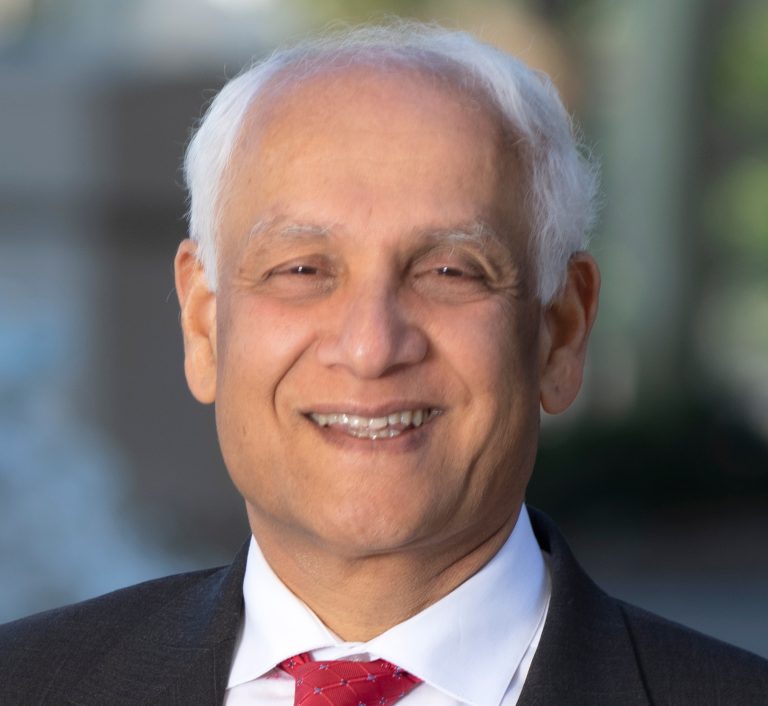
Pramod P. Khargonekar
University of California, Irvine Department of Electrical Engineering and Computer Science

Workshop on
IEEE Conference on Decision and Control (CDC), Honolulu, Hawaii, USA, 2026
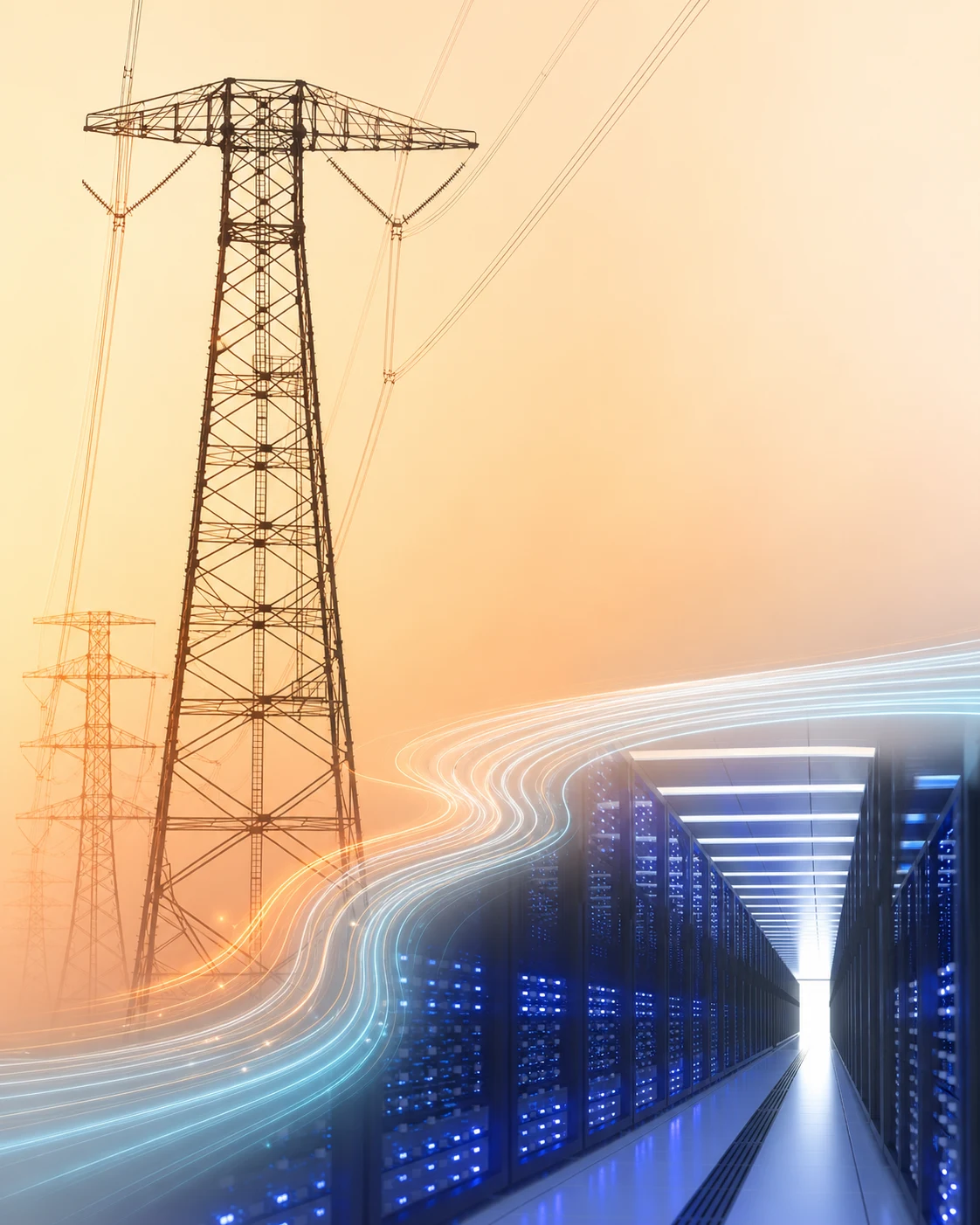
The explosive growth of artificial intelligence (AI) workloads is reshaping electric power systems at an unprecedented pace. Hyperscale and AI-focused data centers, with single-site loads now reaching hundreds of megawatts, are placing extraordinary new demands on transmission and distribution networks, electricity markets, and decarbonization roadmaps. The rapid pace of buildout has created a tight coupling between computing infrastructure and the power grid: the timing and location of new compute capacity now directly affect grid reliability, time-to-power, capacity adequacy, electricity prices, and emissions. At the same time, the inherent flexibility of compute workloads, the spatial and temporal flexibility of AI training and inference, and behind-the-meter resources at data centers offer unique opportunities for closed-loop coordination with the grid.
This emerging challenge sits squarely at the intersection of systems, control, optimization, and learning. It calls for new tools to model the bidirectional coupling between data centers and the grid, new market and tariff designs that align computing decisions with grid needs, new control architectures for grid-aware workload management and demand response, and new planning frameworks that internalize uncertainty in AI-driven load growth.
The workshop is designed to provide attendees with a coherent overview of the rapidly evolving research landscape at the data center–power grid interface; catalyze conversations between systems-and-control researchers and the energy-and-AI infrastructure communities; and seed new collaborations between academia and industry, including hyperscale operators.
University of California, Irvine Department of Electrical Engineering and Computer Science

California Institute of Technology Computing and Mathematical Sciences
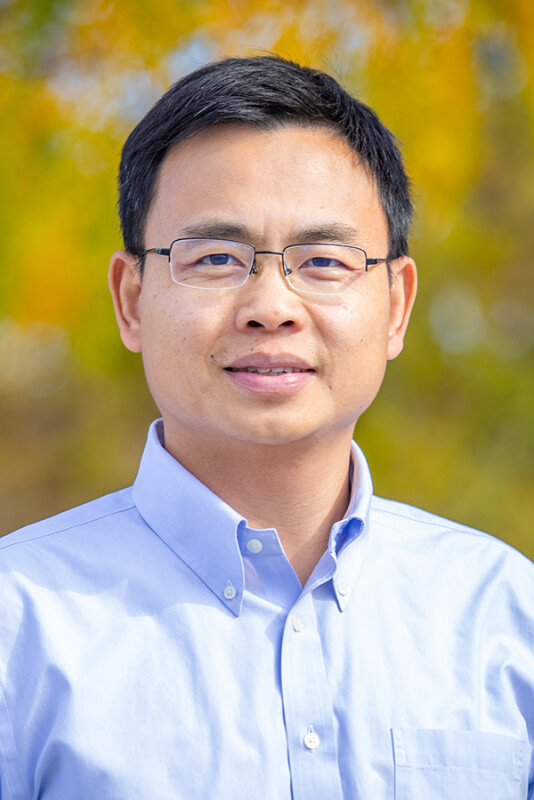
Harvard University John A. Paulson School of Engineering and Applied Sciences Electrical & Computer Engineering
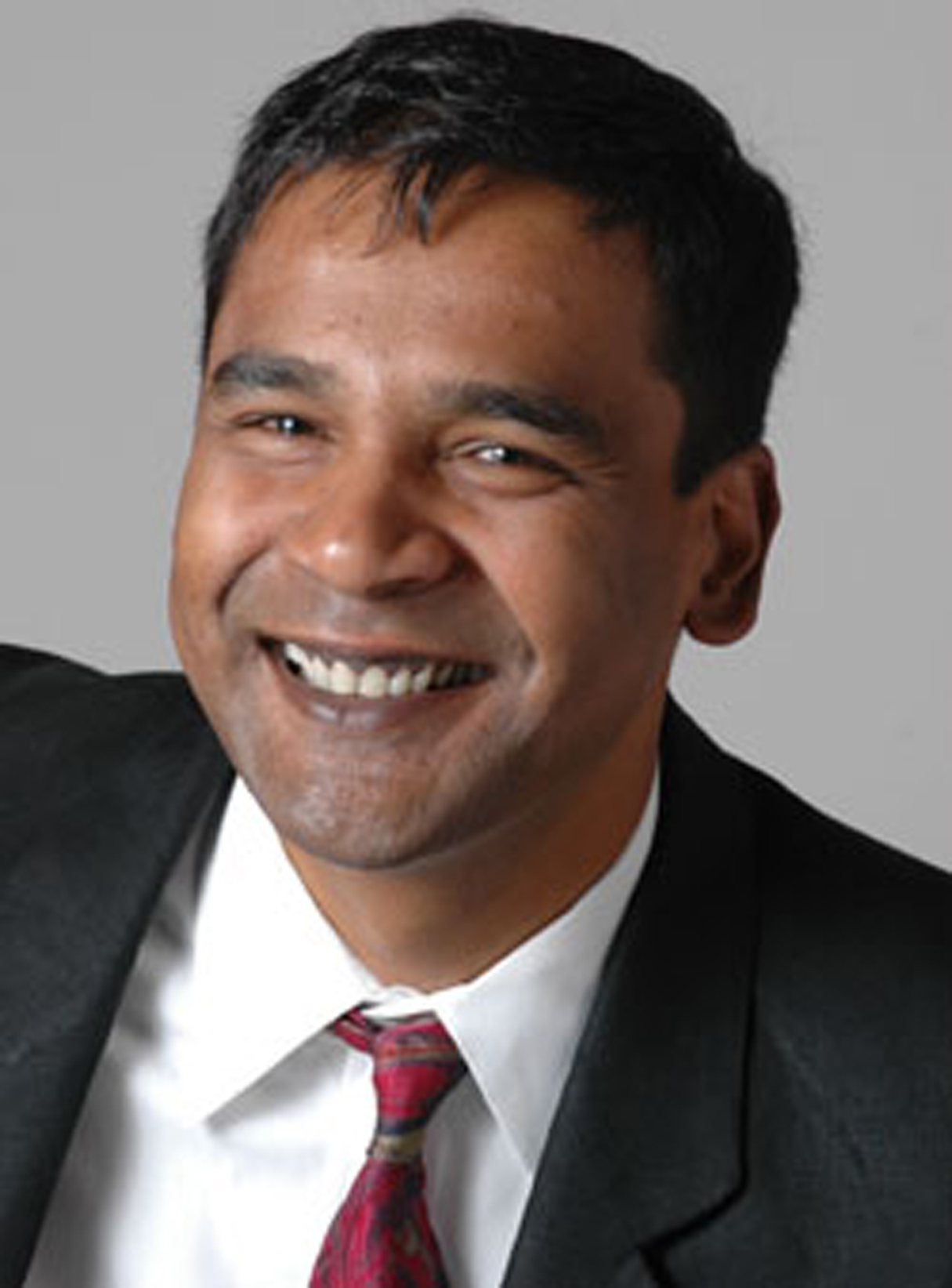
University of California, Berkeley Department of Mechanical Engineering Department of Electrical Engineering & Computer Sciences
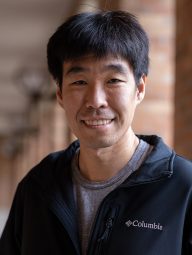
University of Washington Department of Electrical & Computer Engineering
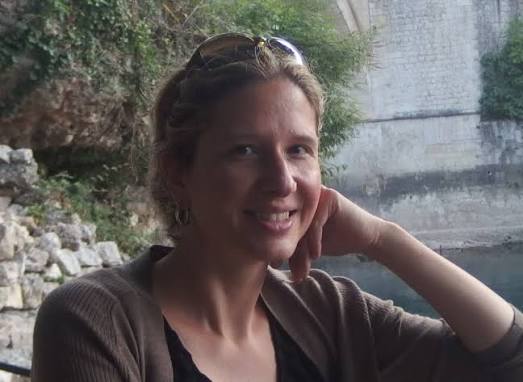
Google Research Applied Science

Purdue University Elmore Family School of Electrical and Computer Engineering

Dartmouth College Thayer School of Engineering

University of Alberta Department of Electrical and Computer Engineering

Purdue University Elmore Family School of Electrical and Computer Engineering
Purdue University jq@purdue.edu
University of California, Berkeley poolla@berkeley.edu

Purdue University gu382@purdue.edu